

We Begin in Darkness
A Homily for the Easter Vigil

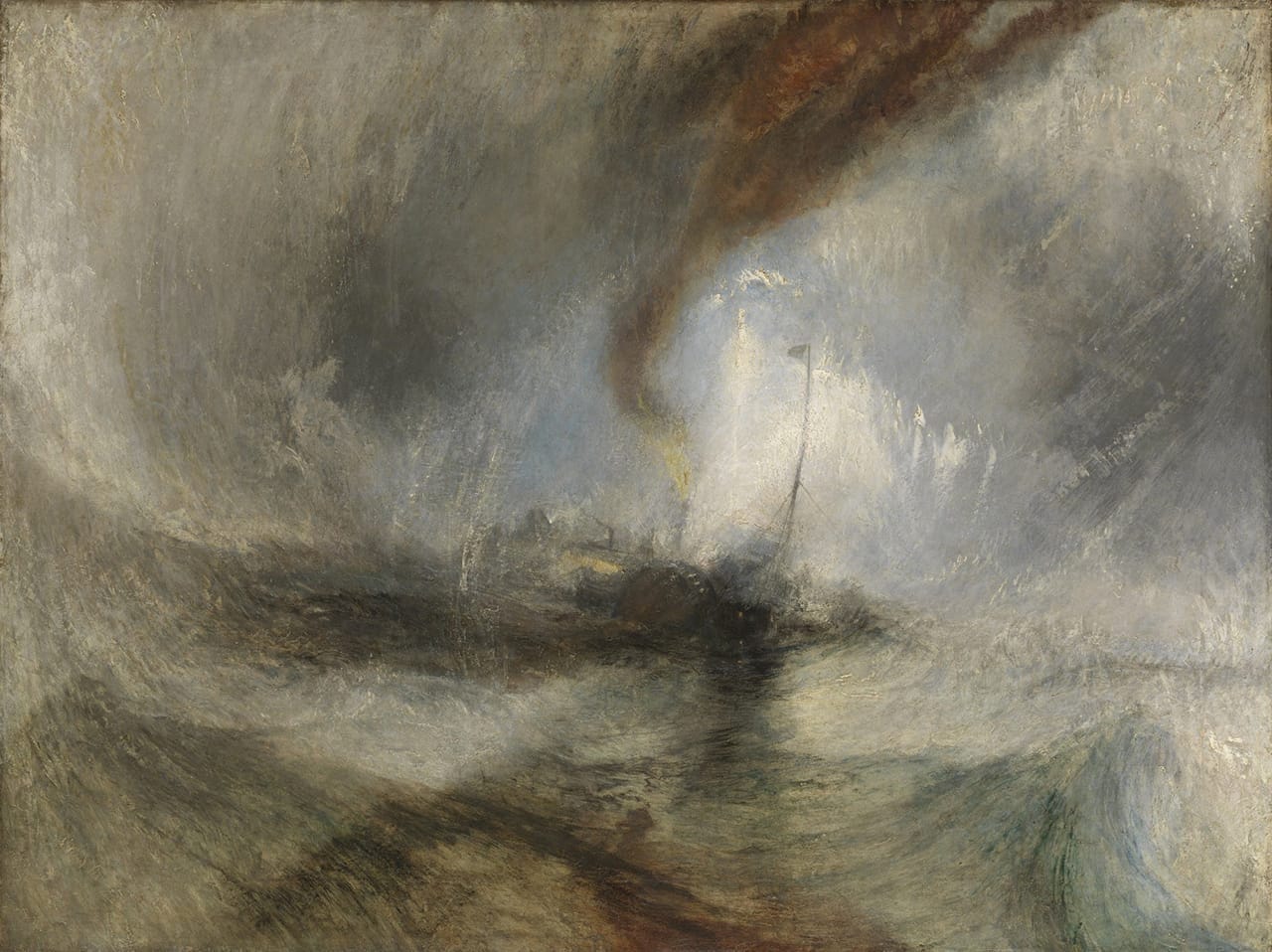
We began in darkness.
Not simply because the lights were out, but because the Church, in her wisdom, does not rush us past what we do not yet see. The Vigil does not begin with clarity. It does not begin with a proclamation. It begins with a kind of honesty about where we are. That much of life is lived without full sight. That we move through days and seasons not always knowing what is taking shape, or what is being asked of us.
And into that darkness, light is given.
Not all at once. Not in a way that overwhelms or explains everything. But in a way that can be received. A small flame. Passed from one to another. Quietly, almost imperceptibly at first, the darkness begins to change. Not because it has been banished entirely, but because something else is now present within it.
And that is how this night speaks.
Not by removing the darkness, but by introducing a light that it cannot overcome.
Because the resurrection is not given to us as a solution to a problem. It is not offered as something we can step outside of and analyze. It happens within the very conditions we know so well. Within loss. Within confusion, within the places where we have learned not to expect too much.
And if we are honest, that can be difficult to receive.
Because we would often prefer something more immediate. Something more decisive. Something that resolves what we carry. But the resurrection does not come to us in that way. It does not undo what has been. It does not erase the wounds. It does something quieter, and perhaps more demanding.
It brings life where we had stopped looking for it.
The fourth-century bishop Gregory of Nyssa spoke of the life of God as something we are always moving into, never exhausting, never fully grasping. And that feels close to what is happening here. Because this night is not the end of the story as we might expect. It is the beginning of a different way of seeing it.
A way of seeing in which death is no longer the final word, not because it has been avoided, but because it has been entered and transformed from within.
And that is why, on this night, we come to the waters.
Because baptism is not an explanation. It is not a statement we agree with. It is a crossing.
The early Church Father Cyril of Jerusalem described these waters as both a tomb and a womb. A place where something is laid down, and a place where something new is brought forth. And that may be the most honest way to speak about what is happening here.
Because to step into these waters is not to arrive as someone who has clarity. It is not to stand as someone who has secured their place. It is to come as someone willing to receive a life they did not create.
And that is not easy.
Because most of us have spent our lives learning how to secure things. How to hold things together. How to make something of ourselves. But here, on this night, something else is being offered.
A life that is given.
A life that cannot be managed or controlled.
A life that we are drawn into, slowly, over time.
And so we watch as these waters are entered. As names are spoken. As lives are marked. And perhaps, if we are paying attention, we begin to recognize that this is not only their story.
It is ours.
That we, too, have been brought into something we did not begin. That we, too, are being drawn into a life we do not yet fully understand. That we, too, are learning, slowly and imperfectly, what it means to live in the light that has come.
And friends, if I am honest, and I hope I always am, this is not something we master tonight.
It is something we consent to.
To remain. To receive. To trust, even if that trust is small.
Because the light has come.
Not all at once. Not in a way that removes every shadow.
But truly.
And we are being taught, patiently and gently, how to live in it.